

N95 vs. KN95 Masks: What’s the Difference and Which One Should You Choose?
When shopping for a protective face mask, you may come across N95 and KN95 masks and wonder whether they are the same. Although both are designed to filter airborne particles, N95 and KN95 respirators are manufactured and certified under different standards.
Understanding the differences can help you choose the right mask for your needs, whether you are looking for respiratory protection at work, during travel, in crowded environments, or for everyday use.
In this guide, we’ll explain the differences between N95 vs. KN95 masks, how they work, what to look for when purchasing one, and why proper fit matters.
What Is an N95 Mask?
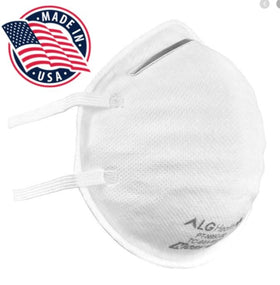
An N95 respirator is a type of filtering facepiece respirator designed to filter at least 95% of airborne particles under the applicable NIOSH testing requirements.
Unlike a loose-fitting disposable mask, an N95 respirator is designed to form a seal around the nose and mouth. A proper seal is important because air should pass through the filtration material rather than around gaps at the edges.
The CDC recommends checking the respirator for damage and ensuring that it fits snugly against the face before use.
What Is a KN95 Mask?
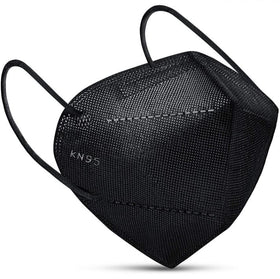
A KN95 respirator is manufactured according to China's GB 2626 respiratory protection standard. Like an N95, it is designed to filter a high percentage of airborne particles when properly manufactured and fitted.
KN95 masks are widely used for general respiratory protection and are available in different shapes, sizes, materials, and designs.
However, it is important to understand that KN95 and N95 are not simply two names for the same certification. They are evaluated under different regulatory standards.
N95 vs. KN95: Key Differences
| Feature | N95 | KN95 |
|---|---|---|
| Standard | U.S. NIOSH standard | Chinese GB 2626 standard |
| Filtration target | At least 95% under NIOSH requirements | High filtration efficiency under applicable standard |
| Certification system | NIOSH approval | Chinese standard/certification |
| Fit | Designed for a close facial seal | Designed for a close facial seal |
| Common use | Workplace and healthcare respiratory protection | General respiratory protection and other applications |
| Fit testing | Required in many workplace respiratory protection programs | Depends on application and applicable requirements |
One of the most important differences is certification. A genuine NIOSH-approved N95 should have the appropriate NIOSH approval information and markings.
For workplace use, selecting a respirator that meets the requirements of the applicable respiratory protection program is particularly important.
Is an N95 Better Than a KN95?
There isn't a simple answer that one is always "better."
The right choice depends on where you are using the respirator, the applicable regulatory requirements, the product's authenticity, and how well it fits your face.
For example, workplace users may need a specific respirator that has been approved for their respiratory protection program. OSHA requirements also make fit testing an important part of workplace use of tight-fitting respirators.
For general everyday use, consumers may choose between different respirator styles based on fit, comfort, availability, and intended use.
Why Fit Matters When Choosing a Respirator
Even a high-quality respirator cannot provide its intended level of protection if there are significant gaps between the respirator and your face.
The CDC explains that N95 respirators need to form a seal against the face. Gaps can occur because of facial hair, glasses, jewelry, incorrect positioning, or selecting a respirator that does not fit properly.
When putting on a tight-fitting respirator:
- Wash or clean your hands before handling it.
- Inspect the respirator for damage.
- Position it over your nose and under your chin.
- Place the straps correctly without twisting them.
- Mold the nosepiece with both hands if the respirator has one.
- Perform a user seal check.
- Adjust the respirator if you detect air leaking around the edges.
If you cannot achieve a good seal, try another size or style.
N95 and KN95 Masks for Different Situations
Different environments may call for different types of face coverings or respirators.
Workplaces
People working in environments with airborne hazards should follow their employer's respiratory protection program and applicable workplace regulations.
For tight-fitting respirators, fit testing is used to confirm that a particular model and size provides an acceptable seal. The CDC notes that workers should be fit tested for the specific respirator model they will use.
Travel and Crowded Places
Respirators can be useful when people want additional protection from airborne particles in crowded or enclosed environments.
Comfort and fit are particularly important if you expect to wear a respirator for an extended period.