

How to Tell If Your N95 Mask Fits Properly: A Practical Guide
Choosing a high-quality N95 respirator is only part of effective respiratory protection. Even a properly certified respirator may not provide its intended level of protection if it does not fit your face correctly.
A good fit helps create a seal around the nose, cheeks, and chin so that air is drawn through the filtering material rather than leaking around the edges. This guide explains how to check the fit of an N95 mask and what to look for when something does not feel right.
Why N95 Fit Matters
N95 respirators are designed to filter airborne particles when used correctly. However, gaps between the respirator and your face can allow unfiltered air to enter.
This is why selecting a mask based only on filtration claims isn't enough. The shape of your face, the respirator design, strap placement, and nose adjustment can all affect how well the mask seals.
For workplace applications, organizations should also follow applicable occupational respiratory-protection requirements and fit-testing procedures.
1. Choose the Correct Size and Design
Not every N95 respirator has the same shape.
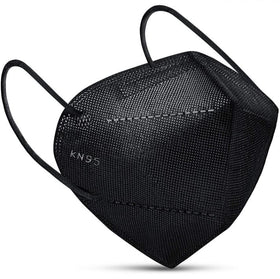
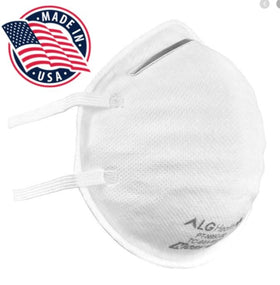
Some models are designed with a cup-style construction, while others use a foldable design. Different manufacturers also offer different sizes and shapes.
When selecting an N95, consider:
-
The size of the respirator
-
The shape of your face
-
Strap placement
-
Nose-clip design
-
Whether the respirator stays securely in place while you move
-
Whether you can comfortably wear it for the required period
A mask that constantly shifts or pulls away from your face may not be the right model for you.
2. Position the Mask Correctly
Before putting on a respirator, make sure your hands are clean.
Position the respirator so it completely covers your nose and mouth. The bottom portion should extend beneath your chin without sitting excessively low.
If the respirator has a nose clip, use both hands to shape it around the bridge of your nose. Pressing from the center outward can help create a more consistent seal.
Avoid pinching only one side of the nose clip because this can leave gaps.
3. Check for Air Leakage
After putting on the respirator, pay attention to how air moves around the edges.
During inhalation, the respirator should pull toward your face slightly if it is sealing properly. You should not feel significant airflow escaping around your nose, cheeks, or chin.
Common signs of a poor fit include:
-
Air escaping around the nose
-
Air leaking near the cheeks
-
The mask moving excessively while breathing
-
Eyeglasses repeatedly fogging because of leakage
-
Straps becoming loose or uncomfortable
-
The respirator failing to stay in position
If you notice leakage, remove the respirator and reposition it. Adjust the nose clip and straps as appropriate for that model.
4. Facial Hair Can Affect the Seal
Facial hair in the area where the respirator needs to seal can interfere with the fit.
Beards, moustaches, and even heavy stubble may prevent a tight seal between the respirator and skin. For workers who are required to use tight-fitting respirators, organizations should follow their applicable fit-testing and workplace respiratory-protection requirements.
The goal isn't simply to make the mask feel tight. The important factor is whether the respirator can maintain an effective seal.
5. Perform a User Seal Check
A user seal check is different from formal fit testing.
A seal check is performed each time a respirator is put on to help identify obvious leakage. Formal fit testing, where required, determines whether a particular make, model, style, and size of respirator fits an individual worker.
Always follow the manufacturer's instructions for the specific respirator you are using.
If you cannot achieve a satisfactory seal, try another size or model rather than continuing to use a respirator that does not fit correctly.
6. Know When to Replace Your N95
Disposable filtering facepiece respirators should be replaced when they become damaged, soiled, difficult to breathe through, or otherwise unsuitable for use.
Inspect your respirator before use.
Look for:
-
Torn or damaged material
-
Broken or stretched straps
-
Damaged nose clips
-
Changes in the respirator's shape
-
Visible contamination
-
Any condition that prevents proper fitting
A damaged respirator should not be relied upon for respiratory protection.
N95 Fit vs. Filtration: Why Both Matter
It's easy to focus on the filtration percentage when comparing respirators. However, filtration performance and fit work together.
A respirator can have highly efficient filter material, but if there are substantial gaps around the face, contaminated air may bypass the filter.
That's why a practical approach to respiratory protection includes:
Appropriate respirator + correct fit + proper use
For occupational applications, employers should also follow the respiratory-protection requirements that apply to their workplace.
Who Can Benefit From Paying Attention to N95 Fit?
Proper fit is particularly important in situations where people may encounter airborne particles, including:
-
Healthcare environments
-
Construction and renovation work
-
Manufacturing facilities
-
Warehouses and industrial workplaces
-
Dusty environments
-
Areas affected by smoke or poor air quality
-
Certain laboratory and occupational settings
The appropriate type of respiratory protection depends on the specific hazard and applicable safety requirements.
Final Thoughts
Buying an N95 respirator is an important first step, but wearing it correctly matters just as much. A comfortable, properly positioned respirator that maintains a good seal can help you get the protection the product was designed to provide.
Before using an N95, check the condition of the respirator, position it correctly, adjust the nose area and straps, and perform the appropriate seal check. If you cannot achieve a satisfactory fit, consider a different size or model.
For workplace use, always follow applicable regulations, employer procedures, and manufacturer instructions.
Looking for reliable respiratory protection? Explore N95 Medical Supplies for N95 respirators, KN95 masks, surgical masks, and other PPE products designed for a variety of personal and workplace needs.